
Fixtures, not just accessories
We stock both ends of STEM: the instruments, where the optics decide whether a child sees anything, and the construction kits, where what matters is how many times the box comes apart and goes back together.

STEM Learning Company sells hands-on kits that children actually build: robotics and electronics, science experiment sets, marble runs, model cars and maker projects, delivered right across Australia.
Whether you are buying a first telescope, a robotics kit for a classroom or a marble run for a rainy Saturday, this is the whole range and what is worth knowing before you order.
We stock both ends of STEM: the instruments, where the optics decide whether a child sees anything, and the construction kits, where what matters is how many times the box comes apart and goes back together.
Nine of the lines here are plumbed or hardwired. Every one of those pages says so, and says that a licensed plumber or electrician does the work. We do not sell a mixer as a weekend job.
Where the supplier publishes a dimension, a material or an airflow figure, the page quotes it. Where it publishes none, the page says so rather than filling the gap with something plausible.
Matte black, brushed nickel and brushed gold all wear differently in a wet room. Each page carries the care rule for its own finish, because an abrasive cream takes matte black off and nothing brings it back.
Free across Australia on orders of $100 or more, a flat $25 below that, and express at $25 on any order. The same numbers are on the shipping page and in the cart.
Whether a nine-year-old will manage the robotics car alone, whether a marble run fits a smaller table, whether the microscope needs an adult for the first session: ask first. It is cheaper for both of us than a return.
Photographed on the products themselves, the way they arrive.
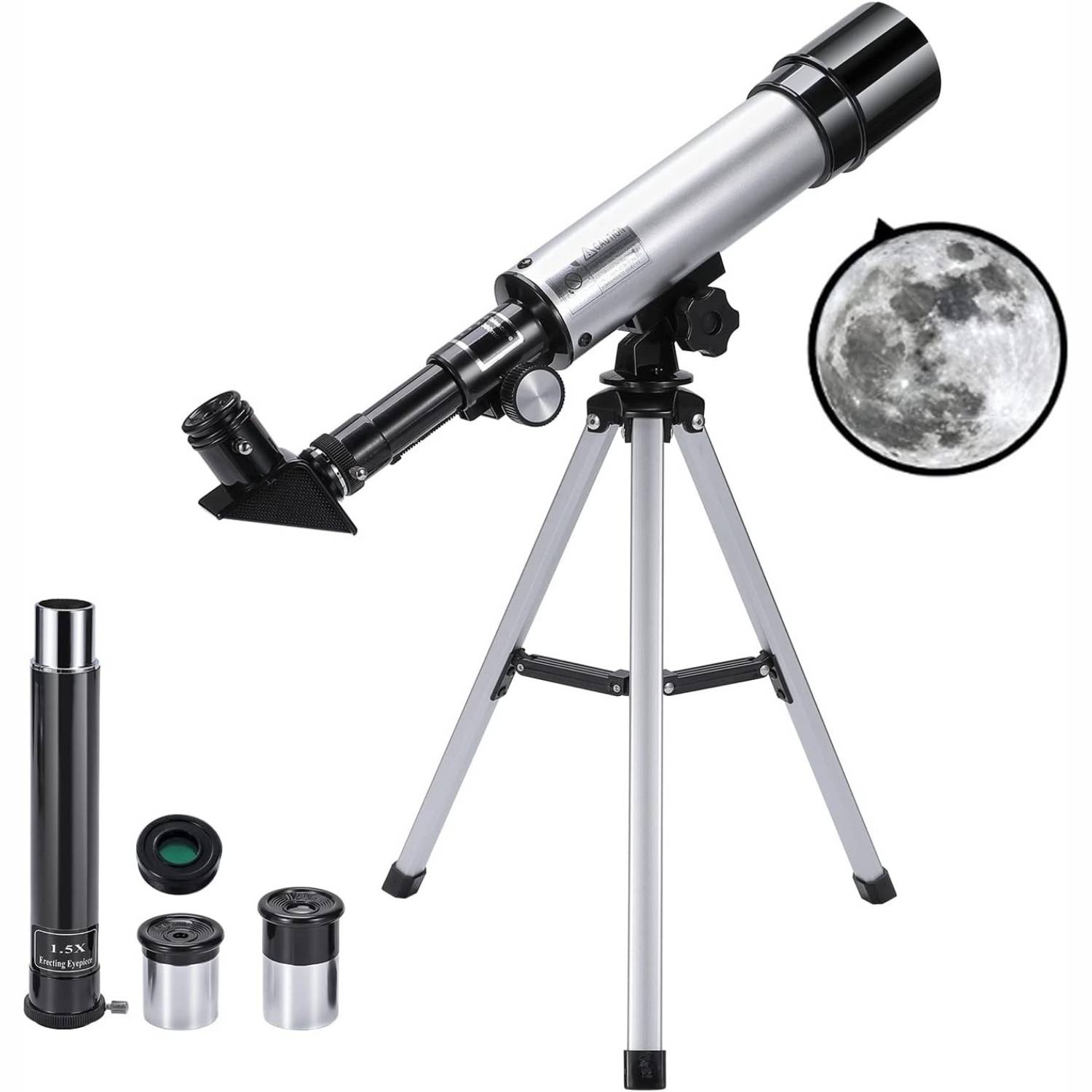
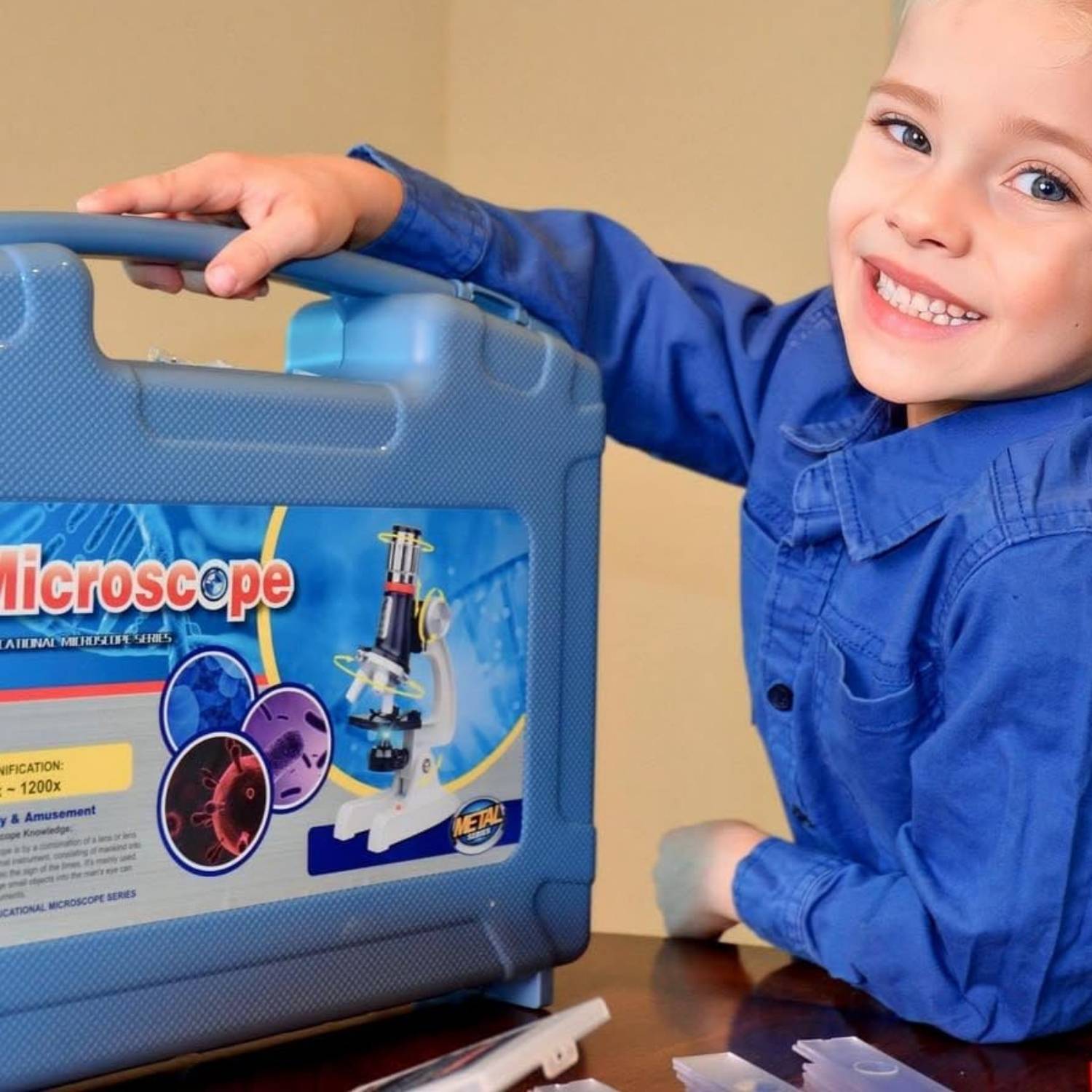
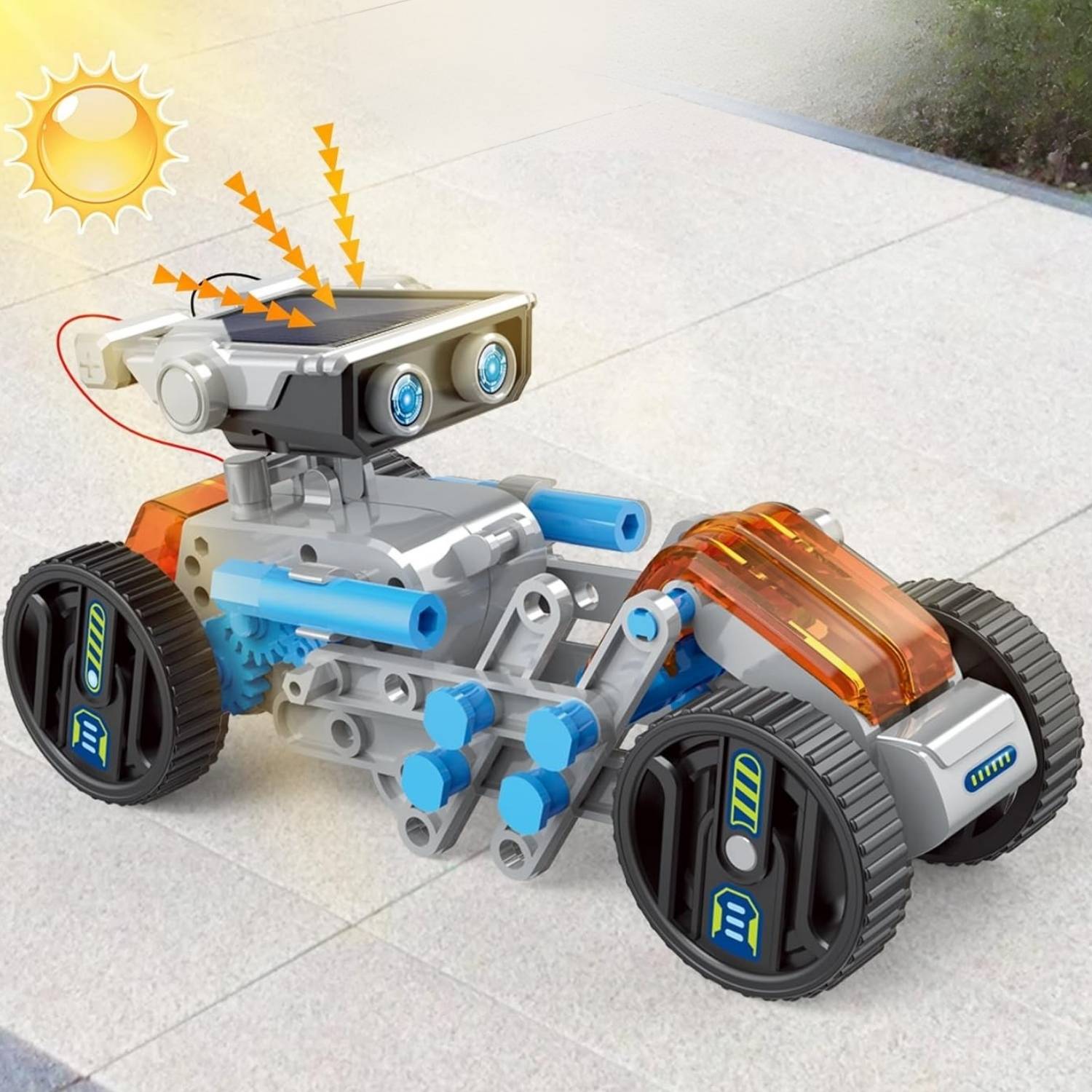
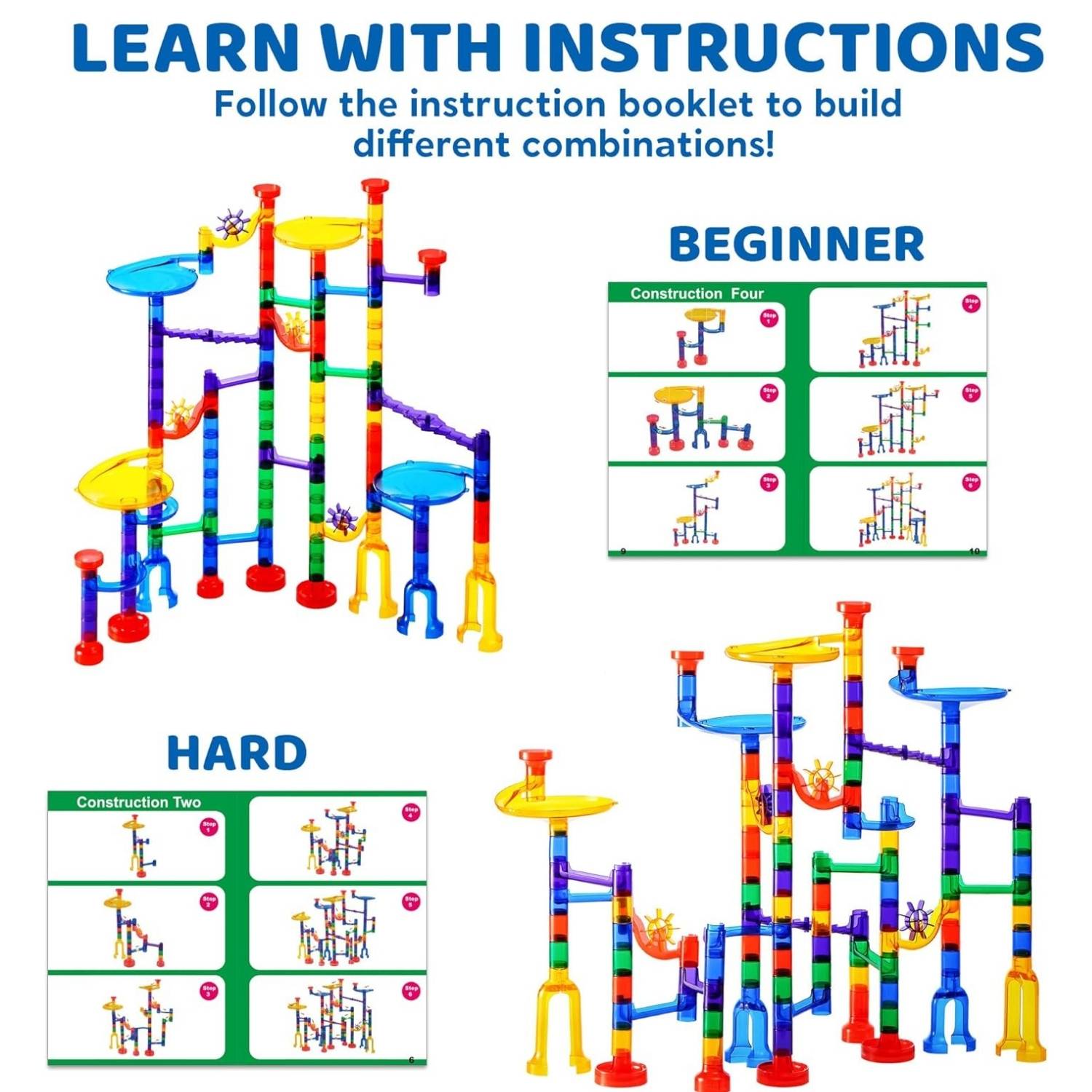
We sell hands-on STEM kits and nothing else, so this is the short version of what we would tell you if you rang up.
There are two kinds of purchase on this page. There are the instruments, the telescope and the microscope, where the glass and the build decide whether a child sees anything at all. And there are the construction kits, the marble runs, the robot builds, the model cars and the pinball machine, where what matters is how many times the box can be taken apart and rebuilt before it stops being interesting.
On the instruments, aperture beats magnification every time. A 50 mm objective lens with a sensible eyepiece shows lunar craters sharply; the same telescope pushed to its highest power shows a bigger, dimmer, blurrier moon. The same is true of a microscope: 1200x is the top of the range and it needs a very thin, well-prepared slide before it beats 100x for anything you would want to look at.
On the construction kits, the number worth reading is the piece count and whether the pieces come apart again. A kit that builds one model once is a model. A kit that builds twelve, or that rebuilds into a different run every afternoon, is the thing that keeps getting used.
Age guidance on these pages is the manufacturer's, and where a manufacturer does not publish one we say so rather than inventing it. The more useful question is usually whether the child will sit with something for twenty minutes, because that is what separates a kit that gets built from one that gets opened.
Some of these need an adult for the first session: the glass slides and cover slips in the microscope kit, and anything that launches. That is worth knowing before it is a birthday morning.
This is the one thing that separates a telescope that gets used from one that goes in a cupboard. The width of the objective lens sets how much light and therefore how much detail is available at all. Magnification only spreads that detail wider. A 50 mm lens at 18x gives a bright, sharp moon; the same telescope at its top power gives a dim, soft, bigger one.
The same logic runs through the microscope. 1200x is the top of its range and it wants a very thin, well-mounted slide before it beats 100x for anything you would actually want to look at. Start low, find the thing, then step up.
On a construction kit the number worth reading is how many pieces there are and whether they separate again afterwards. A kit that builds one model once is a model. A kit that rebuilds into something different every afternoon is the one that keeps getting opened.
That is why the marble runs, the solar robot sets and the magnetic puzzle are the lines that come back to the table. Nothing here is glued.
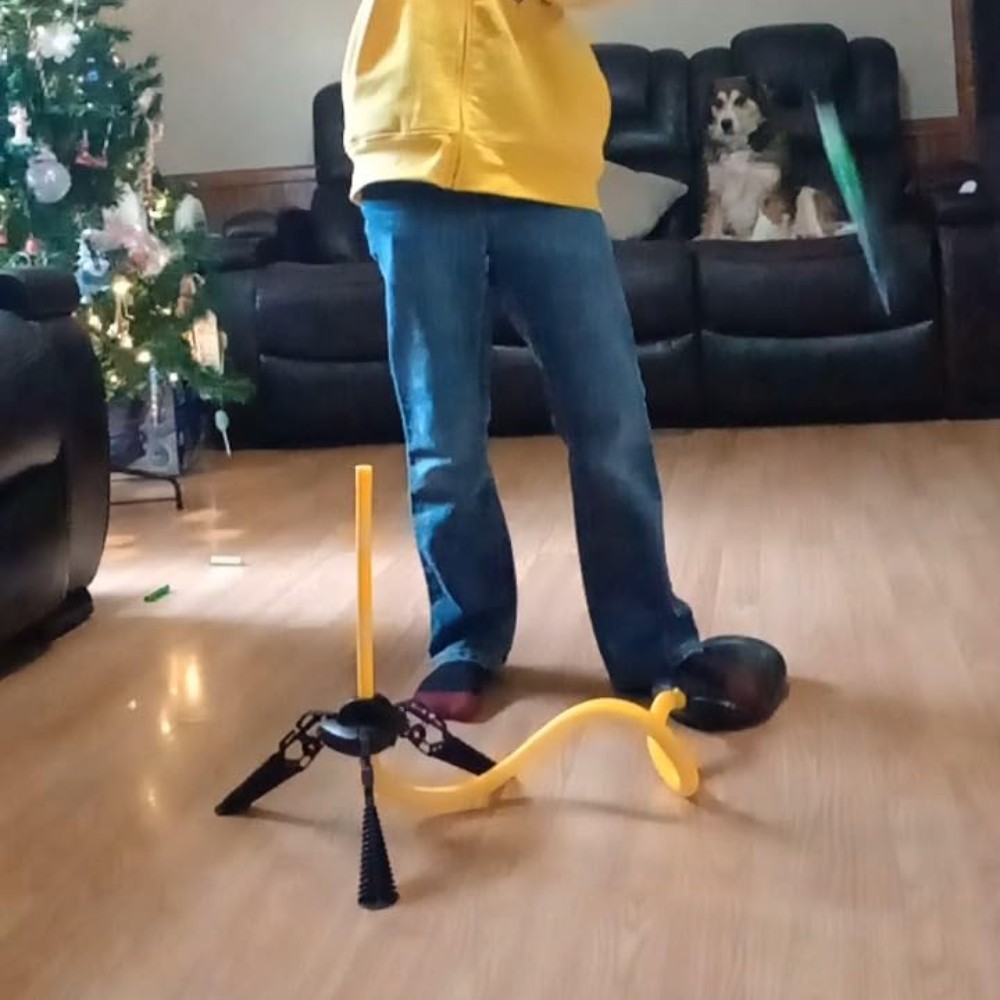
Two of the robot kits run on a solar panel, which is part of the lesson rather than a saving. One of them also takes a rechargeable battery, so an overcast afternoon does not end the build. The air rocket launcher takes nothing at all: the child on the foot pump is the power supply.
Where a kit needs batteries that are not in the box, the listing says so.
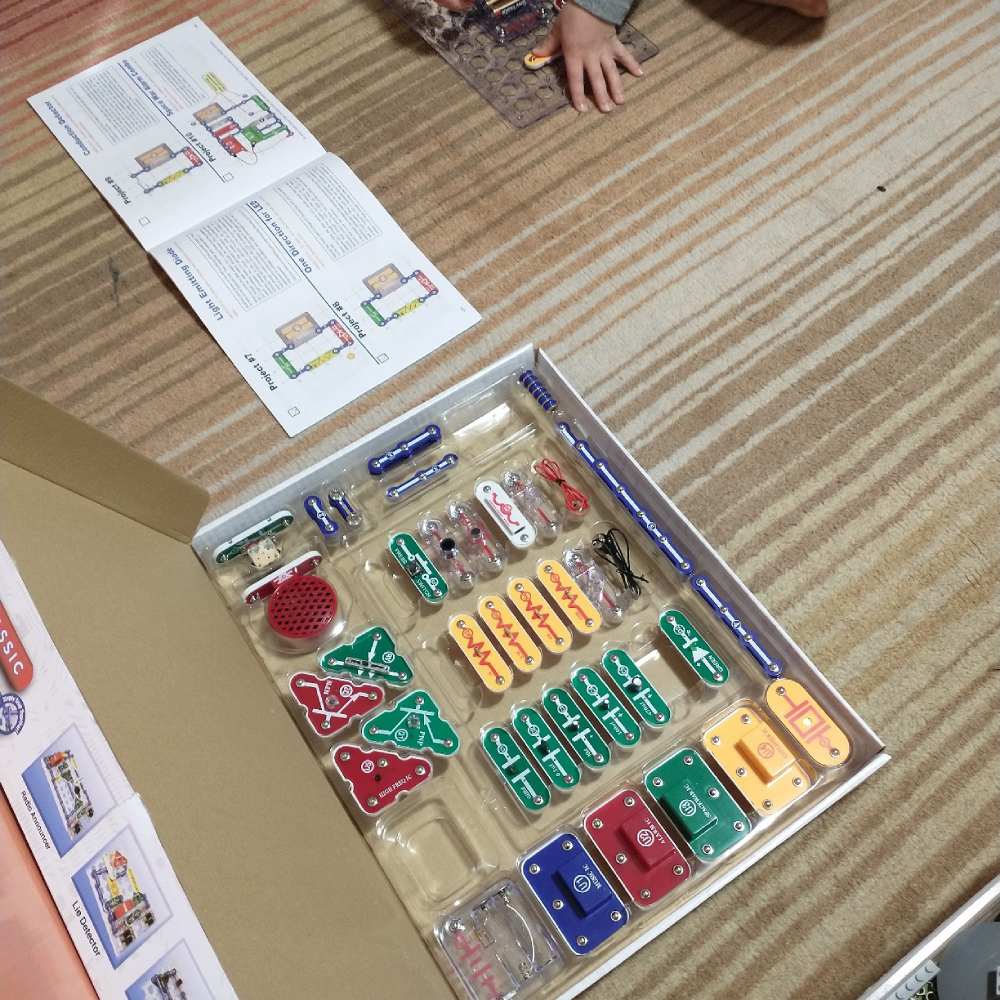
The microscope kit contains glass slides, cover slips and a scalpel. The air rocket launches. The electronics kit runs at low voltage and is designed to be handled, but it is still electronics. None of that makes them unsuitable; it makes the first session an adult-and-child session.
We will not tell you a kit is completely safe, because nothing a child can pick up is. We will tell you what is in the box.
Where a manufacturer publishes a dimension, an age range or a piece count, we print it. Where it does not, we say so rather than filling the gap with a plausible figure.
If something on a listing is missing or looks wrong, email us before you order and we will find out. It is cheaper for both of us than a return.
Telescopes, microscopes, robotics, electronics, marble runs and maker kits, with free delivery across Australia on orders over $100.
Questions about which kit suits a particular child, your order or delivery? A person on our team is happy to help.
Full business details, published openly, so you always know exactly who you are buying from.
We deliver all over Australia including Sydney NSW, Melbourne VIC, Brisbane QLD, Perth WA, Adelaide SA, Gold Coast QLD, Canberra ACT, Newcastle NSW, Wollongong NSW, Hobart TAS, Darwin NT. Wherever you are, telescopes, microscopes, robotics kits, marble runs and maker sets ship to your door, with free delivery on orders over $100.
Every order is processed through an encrypted, SSL-secured checkout, so your payment details stay private from start to finish.
Not sure whether a bath caddy spans your tub, or what an exhaust fan needs for a duct run? Email us first. We would rather answer the question than take a return.
We trade openly with full company details published above, and the consumer guarantees of the Australian Consumer Law apply to every order.
STEM Learning Company (stemlearning.net.au) is an online STEM retailer from BuyFactory Direct Pty Ltd, ABN 30 656 628 938, delivering across Australia. It sells hands-on educational kits: a beginner's 50 mm refracting telescope with 18x and 90x eyepieces, a metal-bodied children's microscope reaching 1200x with a 45 degree head, solar robot kits that build several machines from one set, a 12-in-1 solar and rechargeable robot kit of 202 pieces, a programmable robotics car with 24 module types, a snap-together electronics kit of 65 or more parts and over 300 projects, a 150-piece marble run, a magnetic marble run of 42 tracks and 17 trick pieces, a gravity maze logic puzzle, a DIY pinball machine in engineered wood, a five-vehicle model car kit, an air rocket launcher powered by a foot pump, and a magnetic shape shifting box in four designs. Prices are in Australian dollars and include GST. Delivery is free on orders over $100 and otherwise a flat $27.50, with an express upgrade available on any order, arriving in five to seven days. The consumer guarantees of the Australian Consumer Law apply.


